Why does AI seem to get cuter as it gets more powerful?
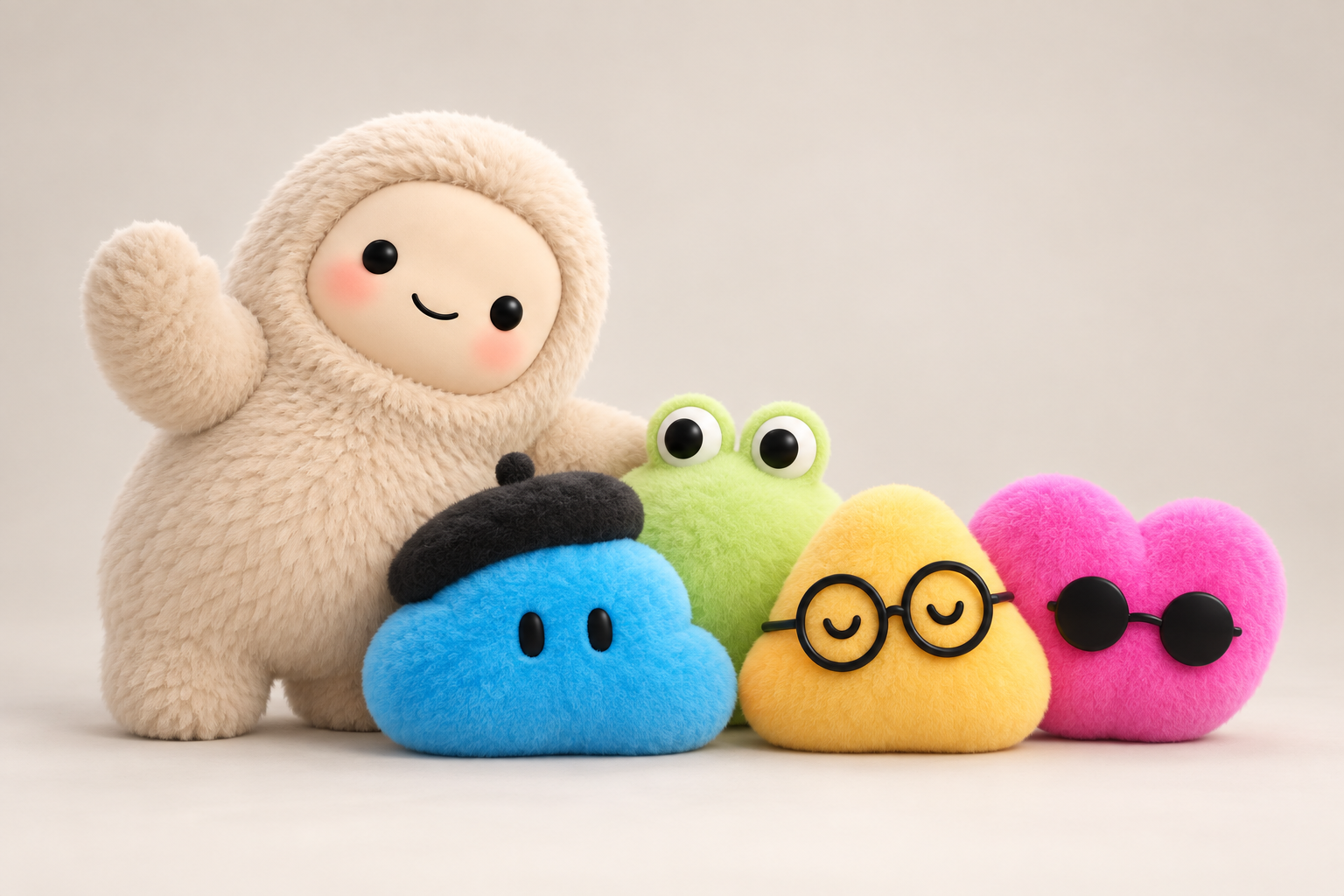
Look at Meta’s Muse and OpenAI’s dots. These personal agents can do work for you, yet their mascots have soft bodies, round faces and playful expressions. They look like little creatures you might keep on your desk.
Is this just a way to appeal to younger people? A branding trend? Or does that friendly face do something more?
We are used to simple logos on our software. So why give something that can act for us such a childlike appearance? To understand the idea, it helps to go back a hundred years.
Giving electricity a face
In 1926, electricity was reaching more American homes, but access was still uneven. Electricity could also be frightening: it could cause fires or fatal shocks, and it had even been used for executions. Alabama Power wanted to encourage people to use more of it.
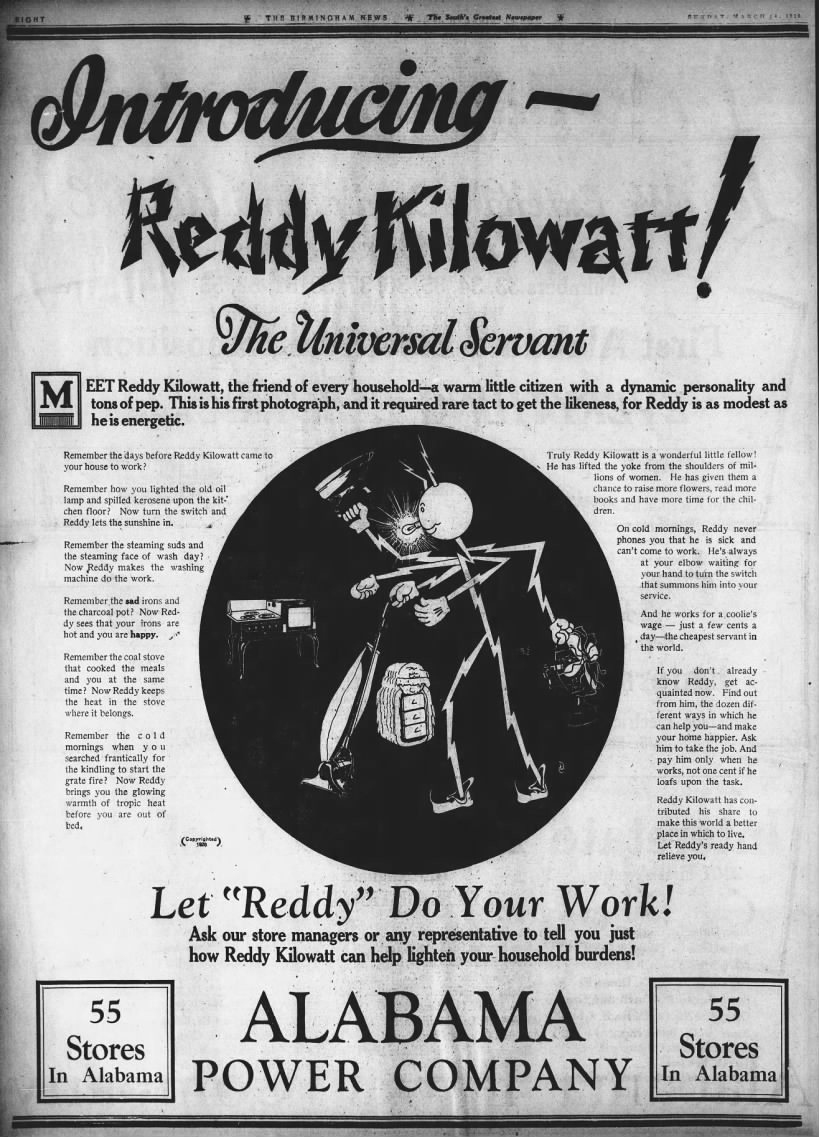
One answer was a cartoon character: Reddy Kilowatt. He had a body made of lightning bolts, socket ears and a light-bulb nose. Instead of an invisible force, electricity became a smiling helper. His familiar slogan was “Your Electric Servant.”
The original advertisement shows an early, five-armed Reddy doing household jobs. Even a century ago, the pitch was easy to recognize: let this little character take some work off your hands.
Other American power companies later adopted him. Average yearly electricity use per household customer more than doubled between 1923 and 1937, according to a government report. Cheaper electricity and more appliances helped that growth; we cannot give a mascot the credit. But Reddy shows the idea clearly: give unfamiliar technology a face people can welcome.
The computer that smiled back
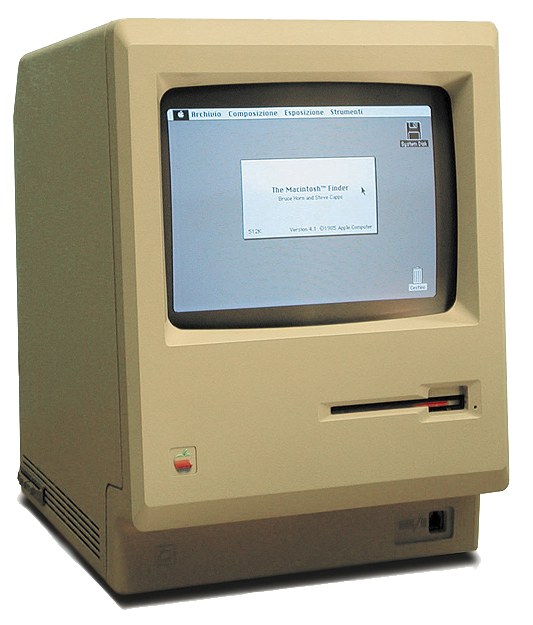
Apple used a similar idea in 1984. When a Macintosh started up, a tiny smiling computer appeared on the screen. It was designer Susan Kare’s Happy Macintosh. It reassured people while the computer loaded and helped make the interface feel friendly.
The friendliness also reached the case. As Walter Isaacson recounts, Steve Jobs wanted the computer to look approachable. Its screen, disk slot and lower recess gave it something like a face. A machine could feel a little more like a companion.
Robot stories offer the same contrast. Think of the threatening Terminator, then think of Astro Boy, a robot hero who looks like a child. They leave very different first impressions. A character’s appearance and story can change the mood.
Why round faces work
In 1943, animal-behavior researcher Konrad Lorenz proposed the idea of a “baby schema.” A large head, a high forehead, big eyes and rounded cheeks can make a face look babyish and cute. Later experiments found that strengthening these features in baby photos made adults rate them as cuter and feel more willing to care for them.
That offers one explanation for the appeal of a soft little AI creature. We may feel more like looking after it than keeping our distance.
Why give an agent a face now?
If this were only about making AI less intimidating, why not give every chatbot a fluffy body years ago?
The difference is what we are being asked to let it do. A basic chatbot waits for a question and replies. A personal agent can keep working after you close the app. With permission, it can check your email, organize plans and help with shopping. Meta says Muse asks you to approve a purchase before it goes ahead.
When work happens out of sight, it is natural to wonder what is going on. Muse’s designers describe that exact problem. The avatar gives users a place to check what it is doing and open its activity log. They also say long conversations with a corporate logo felt odd, and that making the avatar personal mattered.
So the face can make the agent feel familiar while giving you somewhere to look for its activity.
There is another reason cuteness may help: AI still makes mistakes. Imagine an assistant presented as a flawless professional. If it gets something wrong, the disappointment may be sharp. A little ball of fluff could set a different expectation.
A study of cute AI assistants found greater tolerance of service failures across seven experiments. Feelings of tenderness and expectations about performance helped explain the effect. But how serious the mistake was, and how rushed the user felt, also mattered. This was research on service situations, not a test of today’s Muse or dots.
A soft appearance may soften our reaction to some mistakes. It does not make those mistakes disappear.
Over the past hundred years, we have repeatedly given unfamiliar technology a friendly face: electricity as a helper, a computer that smiles, a robot that looks like a child. Now AI can take on more of our everyday tasks, and some of its faces look like harmless little animals.
Perhaps that is part of their appeal. When something powerful looks friendly, it can feel easier to give it a chance.
Image credits: Reddy Kilowatt advertisement, The Birmingham News, 14 March 1926, via Wikimedia Commons; public domain in the US. Macintosh photograph: All About Apple, with image edits by TDS, Grm wnr and Kevin chen2003, via Wikimedia Commons, CC BY-SA 3.0.